

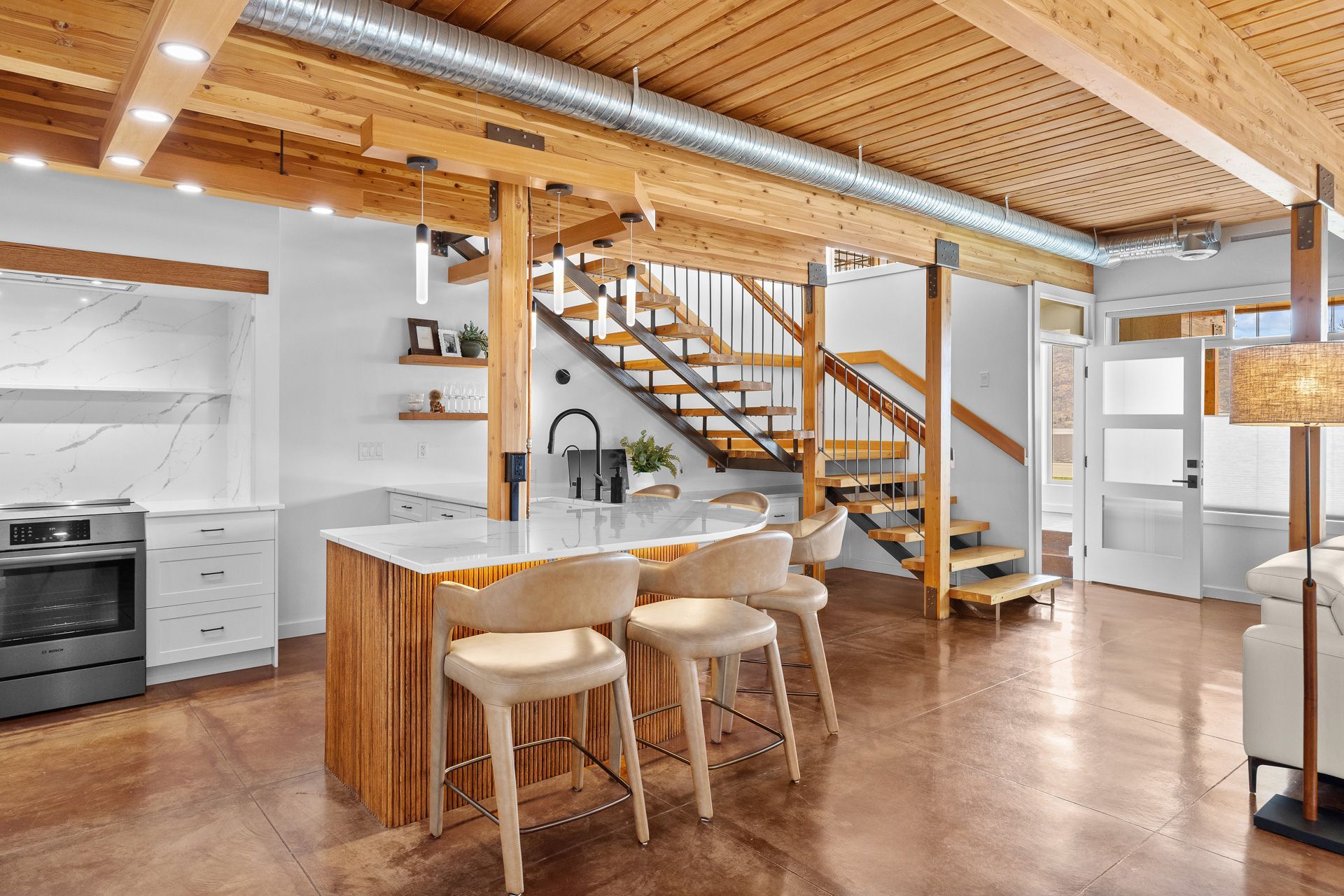
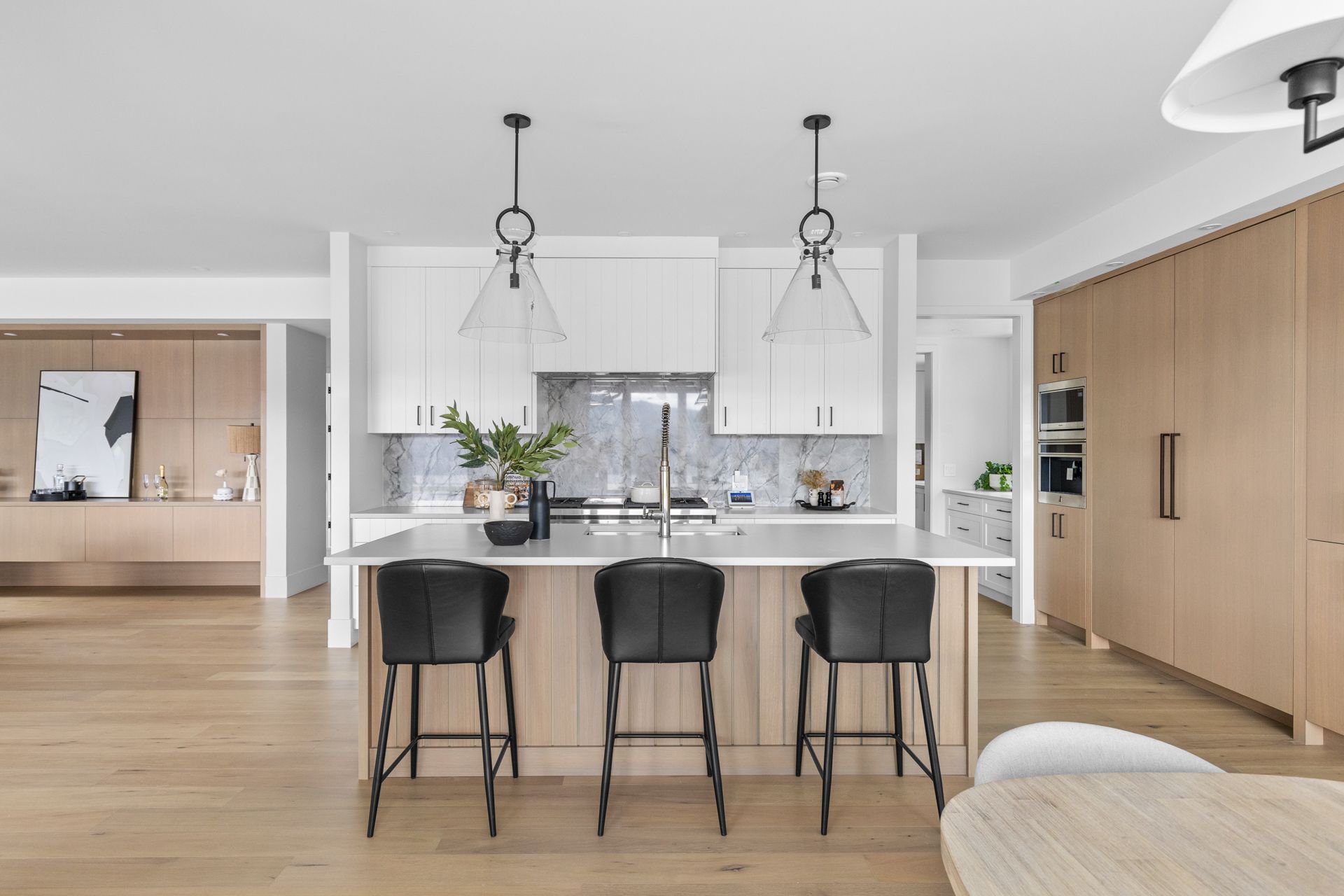
Oak & Ivory is now a proud CHBA member. Here's what membership in the Canadian Home Builders' Association means for your renovation and your peace of mind.
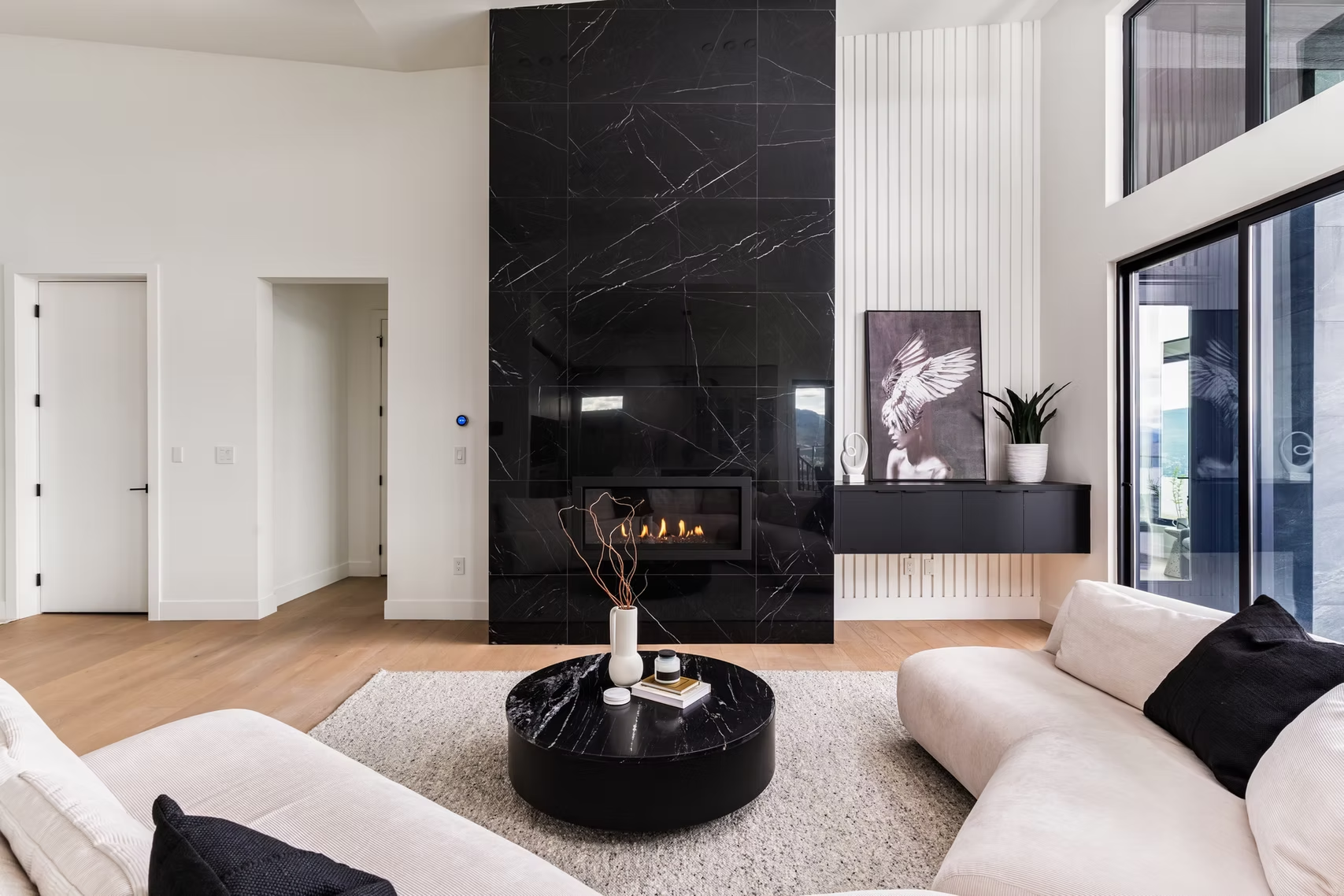
Hiring a renovation contractor in Kelowna? A certified designer and CHBA member shares how to vet contractors, spot red flags, and protect your investment.
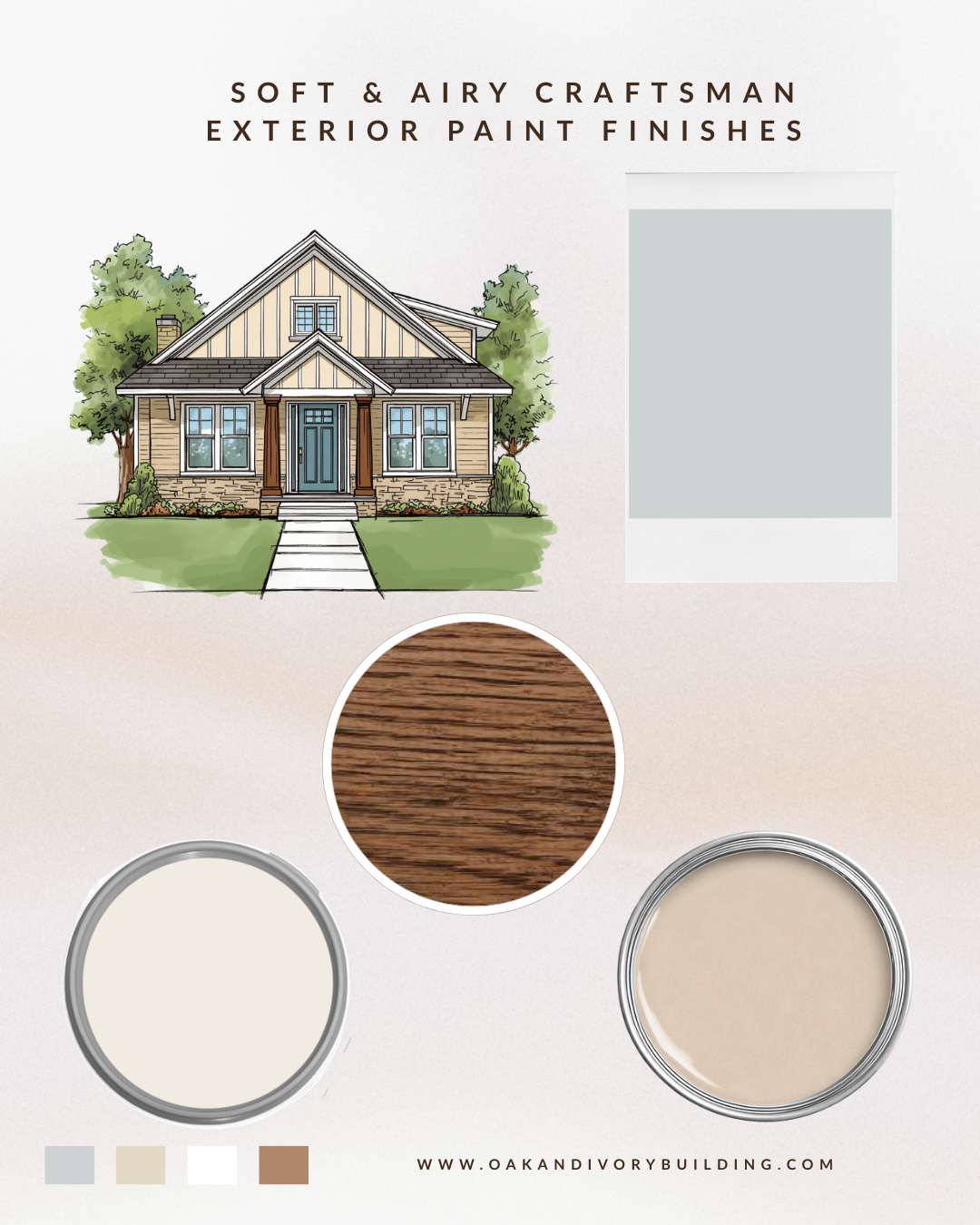
Choosing an exterior paint colour is one of the highest-stakes decisions you can make for your home—and one of the easiest to get wrong. Unlike an interior wall you can repaint in a weekend, an exterior repaint is expensive, disruptive, and visible to the entire street. Here in the Okanagan, there is an added layer most colour advice ignores: our light. I am Danielle, a certified interior designer in Kelowna, and here is how I walk clients through choosing a colour that still looks right in three years, not just on the paint chip. Start With What You Cannot Change Before you look at a single colour, take stock of your home's fixed elements—the things you are not repainting. Your roof, your stone or brick, your window frames, your driveway, and even your established landscaping all have undertones that your new colour has to live alongside. The most common exterior colour mistake is choosing a beautiful colour in isolation and then discovering it fights with the roof. Photograph these elements together and keep them in front of you the whole time. Understand LRV (This Is the One Most People Skip) LRV, or Light Reflectance Value, is a number from 0 (black) to 100 (white) that tells you how much light a colour bounces back. It matters more outside than inside, because exterior light is far more intense. A mid-tone grey that looks sophisticated on the chip can wash out to a flat, chalky non-colour under full Okanagan sun—or a soft greige can suddenly read pink. As a rule, a colour reads two or three shades lighter outdoors than it does indoors, so if you love a colour on the chip, you usually want to go one step deeper for the exterior. Test on the Actual House, at Different Times of Day Never commit to an exterior colour from a chip or a screen. Paint a large sample—at least two feet square—directly on your home, on more than one side, and look at it in morning light, harsh midday sun, and evening shade. Our light shifts dramatically through the day here, and a colour that looks perfect at 9 a.m. can look completely different at 6 p.m. This single step prevents the most expensive mistakes. Build the Whole Palette, Not Just the Main Colour A finished exterior is never one colour. It is a coordinated set: the main body or siding colour, the trim, the front door, the garage door, and ideally a nod to the roof tone. Getting these to work together is where most DIY colour choices fall apart—the body colour is fine, but the trim is too stark or the door clashes. A proper palette treats all of these as one decision. Why the Okanagan Is Different Our high-elevation, high-UV light is genuinely different from the softer, greyer light most national paint guides are written for. Colours here run cooler and brighter under the sun, undertones get exaggerated, and our landscape—sage, rock, lake, and vineyard tones—sets a backdrop that not every palette flatters. A colour scheme built for a Vancouver or Toronto home will not always translate to a Kelowna hillside. That is exactly why I created a set of exterior palettes designed specifically for Okanagan light. The Shortcut: Designer-Curated Okanagan Palettes If you would rather not gamble on the most visible decision your home will make, I have done the work for you. My Okanagan exterior paint palettes are curated colour schemes—each one includes coordinating body, trim, door, and roof guidance, chosen to perform under our specific light. They are instant PDF downloads, so you can start today. If your home has tricky fixed elements or you want a scheme built around your exact house, my custom colour service handles that too—you send photos, I build the palette. And if you would rather have a professional make the whole call in person, that is what colour consulting is for. However you get there, the goal is the same: a colour you will still love long after the ladders are gone. Browse the Okanagan Exterior Palettes → Book a Colour Consultation →
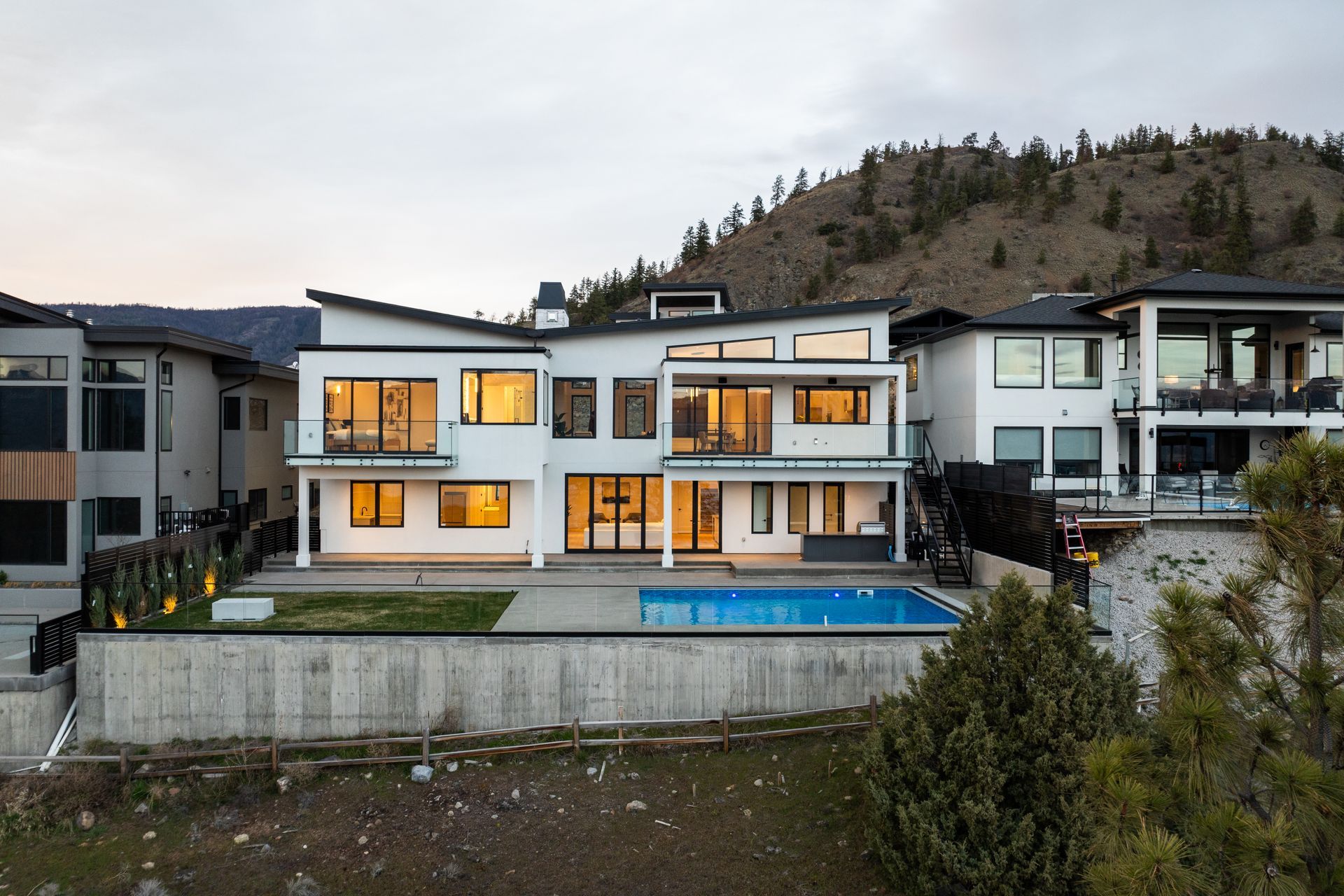
The best exterior paint colours for Kelowna homes in 2026, chosen by a certified designer. Benjamin Moore and Sherwin-Williams shades for Okanagan light.
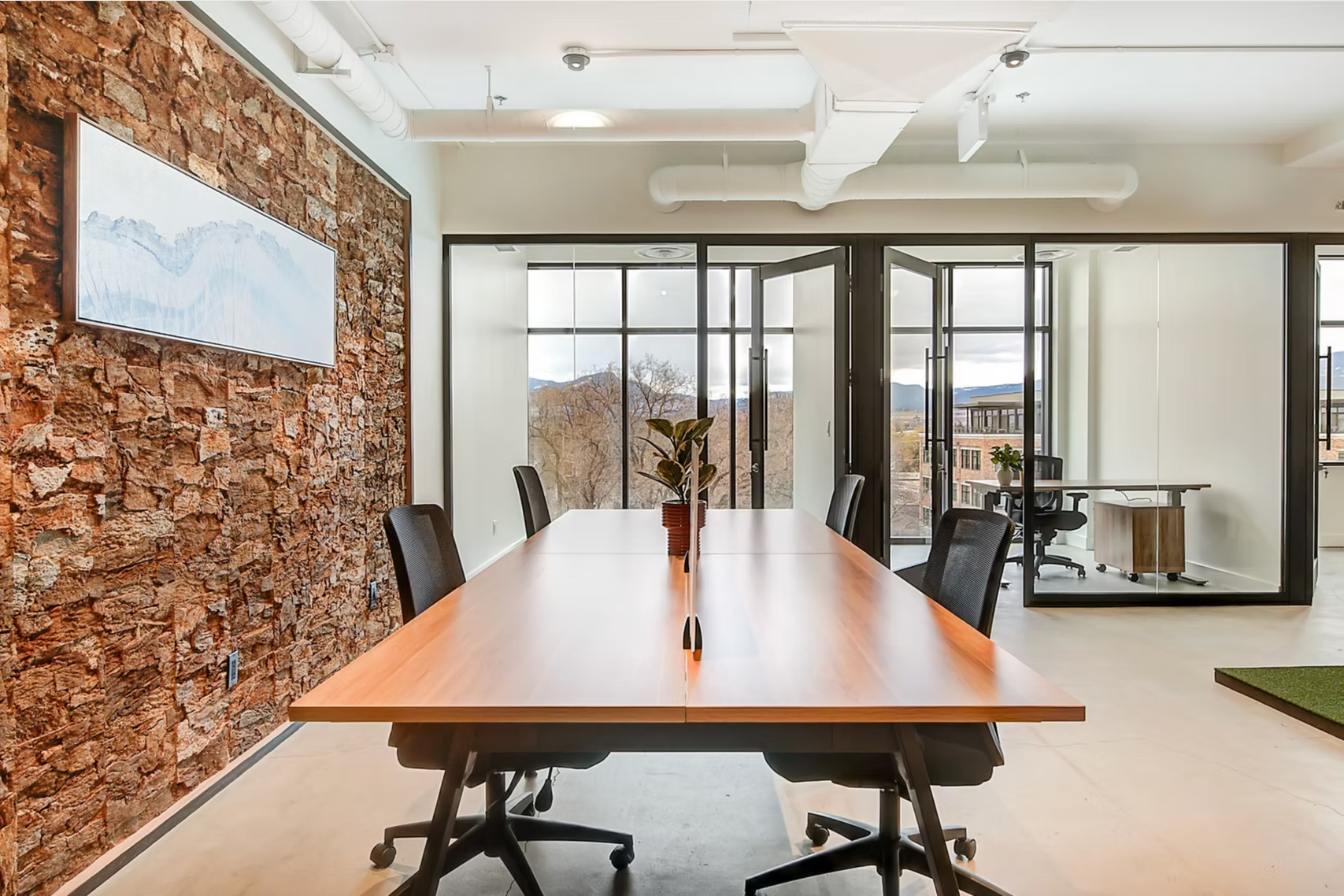
Planning a commercial renovation in Kelowna? A certified designer and licensed GC explains the process, costs, and how to cut downtime for your business.

E-design gives you professional interior design remotely, for less. A certified designer explains how virtual design works and who it is perfect for.
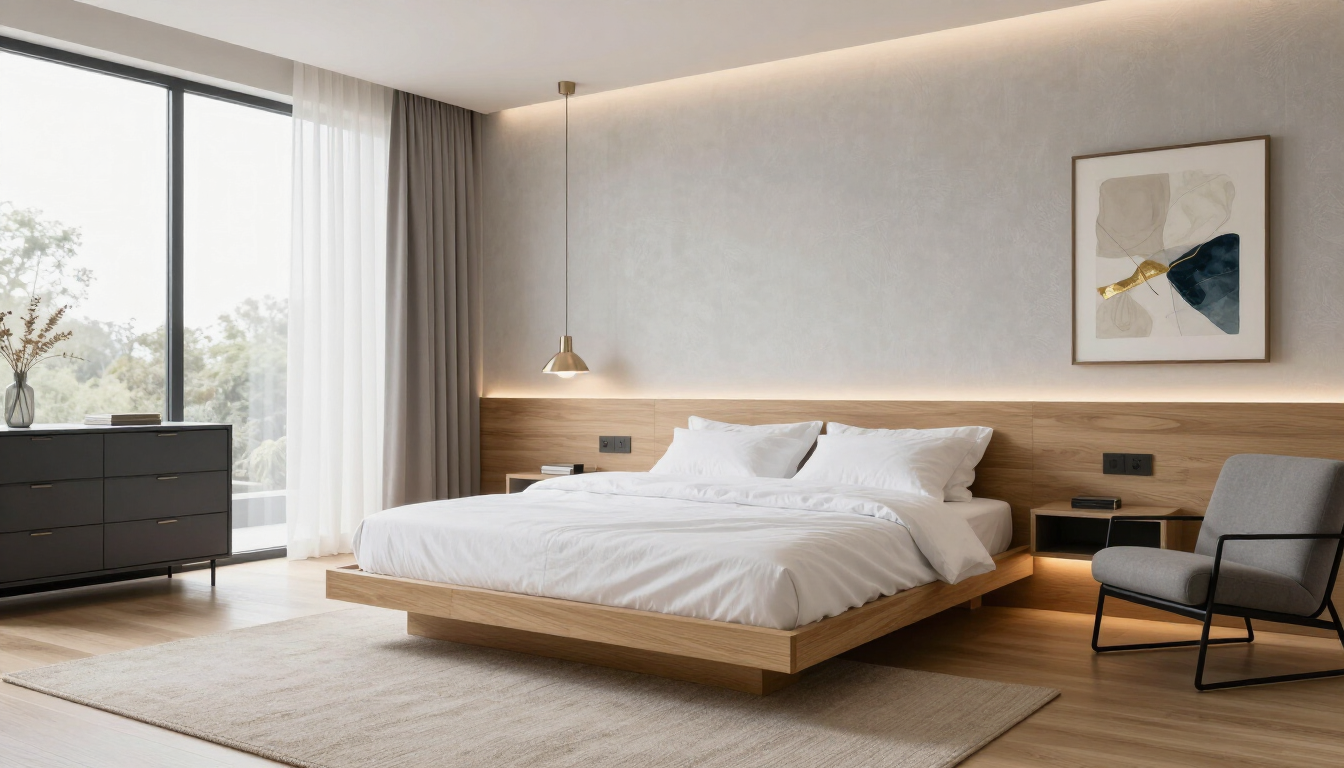
Can't find a contractor for a small job in Kelowna? A certified designer takes on the smaller projects bigger firms turn down. Here's how it works.

Designer, contractor, or both? A certified Kelowna designer explains the difference, why hiring separately backfires, and how design-build fixes it.
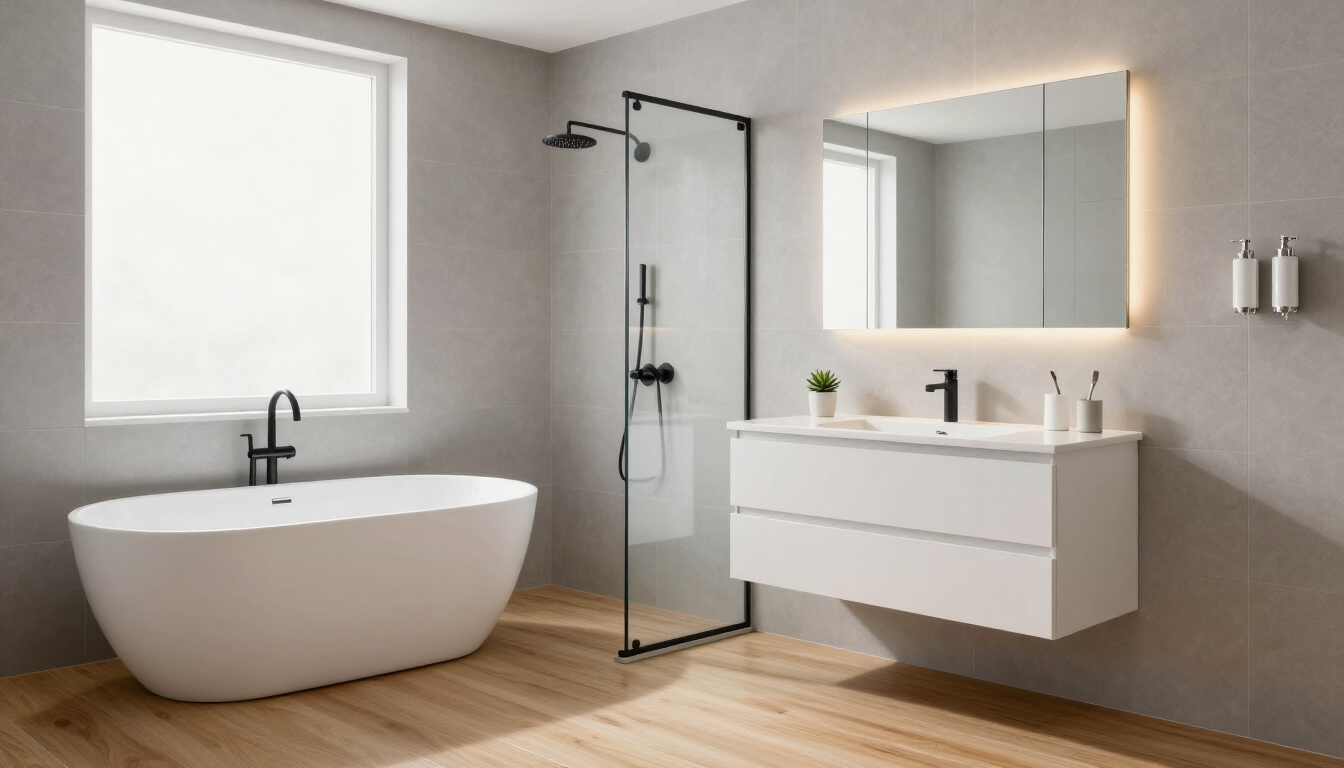
Turned down on a bathroom quote or just planning ahead? A certified Kelowna designer breaks down real 2026 costs and how to avoid budget surprises.

Wondering what an interior designer actually does during a renovation? Danielle at Oak & Ivory Building Co. breaks down the full role, from concept to completion in Kelowna.