
A look into Japandi Design: A Perfect Fusion of Japanese and Scandinavian Styles
- Danielle Ursulan
- May 20
- 4 min read

Japandi design brings together the best of two worlds: the serene simplicity of Japanese aesthetics and the cozy functionality of Scandinavian interiors. This style creates spaces that feel calm, balanced, and inviting without sacrificing practicality or warmth.
Japandi is more than just a trend. It reflects a lifestyle choice that values quality over quantity, natural materials, and a connection to nature. This post explores the key elements of Japandi design, how to incorporate it into your home, and why it resonates with so many people seeking tranquility in their living spaces.

What Defines Japandi Design
Japandi combines two distinct design philosophies that share common values:
Japanese design emphasizes minimalism, natural materials, craftsmanship, and a deep respect for nature. It often features clean lines, muted colors, and uncluttered spaces.
Scandinavian design focuses on functionality, simplicity, and comfort. It uses light colors, natural wood, and cozy textiles to create warm, inviting interiors.
Together, Japandi blends these traits into a harmonious style that balances minimalism with warmth. It avoids starkness by adding soft textures and natural elements, creating spaces that feel both refined and lived-in.
Key Characteristics of Japandi
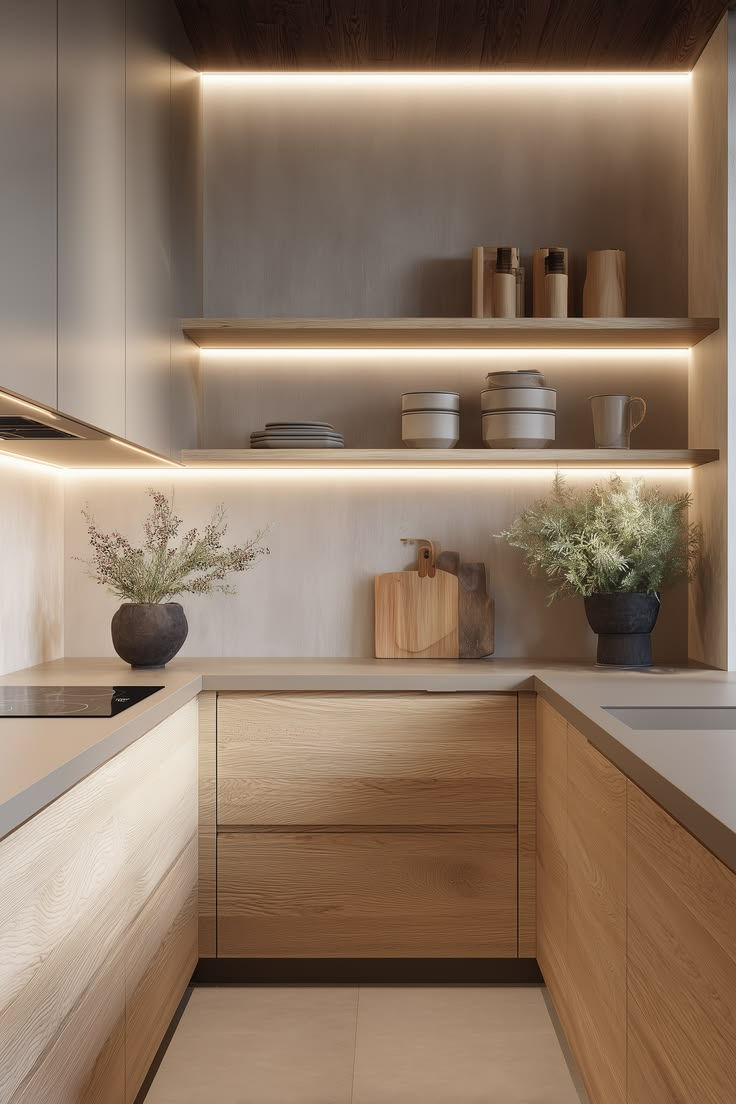
Neutral color palette: Soft whites, beige, warm grays, and muted earth tones dominate. These colors create a calm backdrop that enhances natural light.
Natural materials: Wood, bamboo, rattan, linen, and clay are common. These materials add texture and warmth while connecting the indoors with nature.
Simple, functional furniture: Pieces are often low-profile with clean lines. They focus on quality craftsmanship and durability.
Clutter-free spaces: Storage solutions keep rooms tidy, emphasizing open space and flow.
Organic shapes and textures: Curved edges, woven baskets, and handmade ceramics add subtle visual interest without overwhelming the senses.

How to Bring Japandi into Your Home
Creating a Japandi-inspired space involves thoughtful choices that prioritize calm and comfort. Here are practical steps to get started:
Choose a Soothing Color Palette
Start with a base of neutral tones such as soft white, light gray, or warm beige. Add accents in muted greens, blues, or terracotta to bring subtle color without disrupting the peaceful vibe. Avoid bright or overly saturated colors.
Select Natural Materials
Incorporate wood furniture with visible grain, bamboo blinds, linen curtains, and wool rugs. These materials feel organic and tactile, inviting you to touch and connect with your surroundings.
Invest in Quality Furniture
Look for simple, sturdy pieces with clean lines. Low wooden tables, minimalist chairs, and platform beds work well. Scandinavian designs like those from Artek or Japanese-inspired furniture from Muji can be great sources.
Keep Decor Minimal but Meaningful
Choose a few well-crafted items such as a ceramic vase, a woven basket, or a bonsai plant. Avoid overcrowding surfaces. Each piece should have a purpose or story.
Use Soft Textures to Add Warmth
Layer textiles like wool throws, linen cushions, and cotton rugs to soften the space. These elements prevent the room from feeling cold or sterile.
Maximize Natural Light
Japandi spaces often have large windows or sliding doors to let in daylight. Use sheer curtains or blinds that filter light gently.
Incorporate Greenery
Plants like ferns, succulents, or bamboo bring life and freshness. They also improve air quality and enhance the connection to nature.

Examples of Japandi Design in Different Rooms

Living Room
A Japandi living room focuses on comfort and simplicity. Use a low wooden sofa with neutral cushions, a simple coffee table, and a soft rug. Keep decorations minimal, such as a single ceramic vase or a small plant. The goal is to create a space that invites relaxation and conversation without distractions.

Kitchen and Dining
In the kitchen, choose wooden cabinets with clean lines and matte finishes. Open shelving can display simple dishware made from natural materials. For dining, a wooden table with matching chairs emphasizes togetherness and craftsmanship. Use linen napkins and woven placemats to add texture.

Bedroom
The bedroom should feel like a retreat. A low platform bed with natural wood and soft bedding in muted colors works well. Keep nightstands simple with a small lamp and perhaps a bonsai or a small stack of books. Avoid clutter to promote restful sleep.

Bathroom
Japandi bathrooms use stone or wood accents and simple fixtures. A wooden stool, woven baskets for towels, and plants can create a spa-like atmosphere. Use soft lighting and natural scents like cedar or green tea.
Why Japandi Design Appeals to Many
Japandi’s popularity comes from its ability to create calm in a busy world. It encourages mindfulness by reducing clutter and focusing on quality. The style also supports sustainability by valuing natural materials and timeless design over fast trends.
People appreciate Japandi because it balances aesthetics with function. It is not about empty spaces but about thoughtful living. The warmth of Scandinavian design softens the austerity sometimes associated with Japanese minimalism, making it accessible and cozy.
Tips for Maintaining a Japandi Home
Regularly declutter to keep spaces open and airy.
Choose timeless pieces that age well and can be repaired.
Rotate decor seasonally to keep the space fresh without adding clutter.
Focus on natural cleaning products to maintain the integrity of materials.
Create routines that encourage mindfulness, such as lighting candles or enjoying tea in your space.


Comments